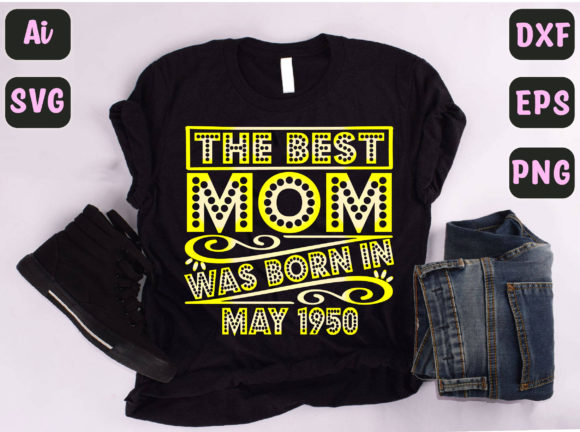
May 1950 Mom Graphics for T-Shirt Designs
As a brand designer and content marketer, I approach every new asset with a critical eye. We are not just looking for pretty pictures; we are looking for tools that solve communication problems. Recently, I reviewed The Best Mom Was Born in May 1950 to determine its viability for a client’s upcoming seasonal campaign. This review focuses on how this specific graphic design asset performs in real-world marketing scenarios, from social media graphics to physical merchandise.
First Impressions and Emotional Tone
When I first opened the file, the immediate impression was one of nostalgic warmth. The typography and layout evoke a sense of pride and celebration, which is crucial for lifestyle content and event promotions. For brand owners, understanding the emotional tone is half the battle. This design does not feel corporate or cold. Instead, it brings a casual, heartfelt vibe that resonates deeply with family-oriented audiences.
This mood makes it highly suitable for handmade products, small business branding, and community-focused marketing visuals. It creates an instant emotional connection, which is a key driver for audience trust. However, it is essential to note that this aesthetic leans towards personal celebration rather than premium luxury. Therefore, it fits best within contexts that value authenticity and human connection over minimalism or high-end exclusivity.
Integrating into Real Marketing Workflows
To test its practical value, I imagined a scenario where a small business owner is launching a Mother’s Day product line. The goal is to create a cohesive content kit that spans multiple channels. Here is how The Best Mom Was Born in May 1950 fits into that workflow:
- Social Media Graphics: The design works exceptionally well for Instagram posts and Pinterest pins. Its clear visual hierarchy ensures that the message is readable even when scrolled past quickly on mobile devices.
- Digital Ads: For Facebook ads or digital ads targeting specific demographics, this asset serves as a strong hook. It grabs attention without looking messy, provided it is placed against a clean background.
- Email Banners: Using this in email headers can increase open rates by creating a personalized feel. It breaks the monotony of text-heavy newsletters.
- Printable Design: As a printable design, it is perfect for party invitations, greeting cards, or packaging inserts. This adds tangible value to digital purchases.
The versatility of this creative design allows it to support various marketing goals. It strengthens brand identity by adding a layer of personality to otherwise generic promotional materials. When used consistently, it improves recognition and makes campaign visuals more memorable.
Technical Specifications and File Usability
From a technical standpoint, the file formats provided are robust for modern design needs. The product includes an SVG file, which is ideal for Circuit Explore, Silhouette Designer Edition, Adobe Suite, Inkscape, and Corel Draw. This scalability is vital for professional branding because it allows designers to resize the asset for anything from a small product label to a large event flyer without losing quality.
Additionally, the DXF file ensures compatibility for Silhouette users, making it accessible for crafters and small business owners who rely on cutting machines. This flexibility is a significant advantage in the creative marketplace, where users often switch between different software ecosystems. Whether you are creating T-Shirt Designs or sticker sheets, having both vector formats ensures that your final output remains crisp and professional.
Best Use Cases for Maximum Impact
To get the most out of this graphic design asset, consider deploying it in these high-impact areas:
- Hero Graphics: Use it as the focal point on landing pages or website headers to immediately communicate the theme of a campaign.
- Packaging Accents: Incorporate it into packaging design to create an unboxing experience that feels special and personalized.
- Content Bundles: Include it in lead magnets or media kits to add value and visual interest to downloadable resources.
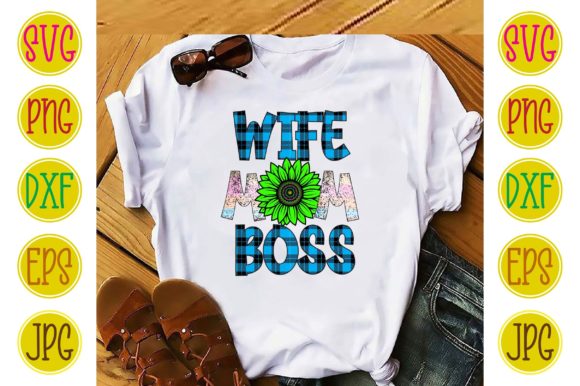
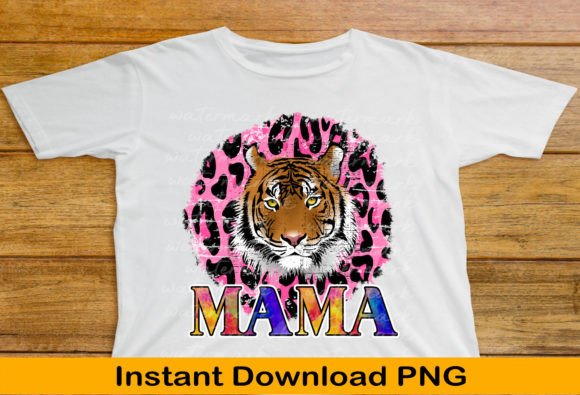
- Merchandise: It is naturally suited for T-Shirt Designs, mugs, and tote bags, appealing directly to the target demographic.
Strategic Limitations and Design Caution
While this asset is powerful, it is not a one-size-fits-all solution. As a designer, I must highlight where it should be used carefully. First, avoid using it in formal corporate branding or dense information layouts. The playful nature of the design can clash with serious financial or legal content, potentially undermining audience trust.
Second, be mindful of contrast. On low-contrast backgrounds or overly busy images, the details may get lost. Always test readability in small sizes, especially for mobile graphics. If your brand identity is strictly minimalist, this decorative element might compete with the main message rather than support it. In such cases, use it sparingly as a secondary accent rather than a primary logo design element.
Practical Brand Designer Notes
Before integrating The Best Mom Was Born in May 1950 into your next project, follow these practical steps to ensure professional results:
- Test with Brand Colors: Adjust the colors to match your existing palette. This ensures consistency across all marketing visuals.
- Check Black and White Usage: Verify how the design looks in monochrome for cost-effective printing options like receipts or simple stickers.
- Mockup Integration: Place the asset inside real campaign mockups to see how it interacts with other elements like photos and text blocks.
- Font Pairing: Experiment with pairing it with serif font, sans serif font, script font, or handwritten font styles. A clean sans serif often balances the decorative nature of this illustration effectively.
- Licensing Verification: Always confirm the commercial license terms before using it in paid campaigns, client work, or business branding. This protects your business from legal issues.
In conclusion, The Best Mom Was Born in May 1950 is a strong addition to any designer’s library of design assets. It offers a blend of emotional appeal and technical flexibility that supports effective content marketing. By understanding its strengths and limitations, brand owners and creators can leverage this digital product to enhance their visual hierarchy, strengthen audience engagement, and deliver professional branding that resonates. Whether you are refreshing social media visuals or designing new merchandise, this asset provides the creative spark needed to stand out in a crowded digital landscape.